News Flash!! October 2025: Just added Farm Bird # 154: a Mountain Quail, hanging out with about 60-70 California Quail. Woohoo!

The only list I faithfully keep is a list of all the birds seen on our farm since we moved here in 1977. I thought it would be fun to add photos to the list, but of course I don't have photos of all the birds seen here since some were one time wonders and I have not always had a camera on hand when they came through. And even if I did get a picture, it is likely buried somewhere in my computer, or in an album.. or a drawer... if taken during pre-computer days.
But little by little I have gone through my photos and added them to the birds... if I can tell they were taken here. Fortunately, since I don't keep any photo records, I do write in my journal daily saying where we were that day. That has helped a great deal.
I have better photos taken elsewhere of some birds, like the Red-shouldered Hawk. And I have many photos elsewhere of White-tailed Kites, which have not visited our farm for many years now. But maybe they'll come back someday... Photos of some birds I'm sure I photographed I have not been able to locate. I have lots more pictures to take, but this is a start. I will be trying hard to get photos of warblers and flycatchers each spring.
I list the birds as they appear in my pocket check list from long ago (circa 1977). Many names have changed since then, species have split or been combined, but I try to use today's nomenclature. Wilson's Snipe, I have recently learned, is back to being Wilson's Snipe after a sojourn as Common Snipe (including on my 1977 checklist). House Sparrow is now at the end of checklists but I have left it where it was in 1977. I added Eurasian Collared-Dove, which was not even heard of in 1977, but is common now. My how times change.
As for format, I've added the years seen if I happened to write that down, unless I see them regularly in which case I write "often". (Often as of when I started this list. Some, like Barn Owls and Band-tailed Pigeons, are no longer seen often, for reasons not always known. And as of 2023 House Sparrows seem to have disappeared entirely.) If seen occasionally, I write the year that I first saw it. If anyone visited my farm and captured photos of birds here that I did not, I would be grateful if I could use those photos, with credit to the photographer, of course.
I hope and trust someone will let me know if I have misidentified any birds. My photos are not labeled on the computer, in albums, or in drawers. And birds in photos don't sing, which is how I identify many of them. But here they are, as of December, 2020, 153 species.
Many thanks to Dawn Villaescusa and Owen Schmidt for the photos taken here that they have shared with me.
THE BIRDS OF FINK FAMILY FARM
 |
Common Loon 1983
|
Pied-billed Grebe 1991, 2001
Double-crested Cormorant 1997
Brandt's Cormorant 1990
 |
Great Blue Heron "often"
|

 |
Great Egret 2014
|
 |
Green Heron adult
|
 |
Green Heron juvenile
|
American Bittern 1991
 |
Canada Goose
|
Cackling Goose (formerly a subspecies of Canada Goose)
 |
Greater White-fronted Goose
|
 |
| Mallard |
Northern Pintail 1990
 |
Green-winged Teal
|
Blue-winged Teal 1988, 1990
Cinnamon Teal 2001
European Widgeon (now Eurasian Wigeon) 1990
Northern Shoveler 2003, 2008
 |
Wood Duck
|
 |
Wood Duck
|
Ring-necked Duck 1989, 1990
Lesser Scaup 2000
Bufflehead 1990 first
Ruddy Duck 1996
Hooded Merganser "often"
 |
Hooded Merganser
|
 |
juvenile Hooded Mergansers
|
 |
Common Merganser 1988 first
|
 |
Turkey Vultures
|
White-tailed Kite 1987 first, then "often from 1998 to about 2004"
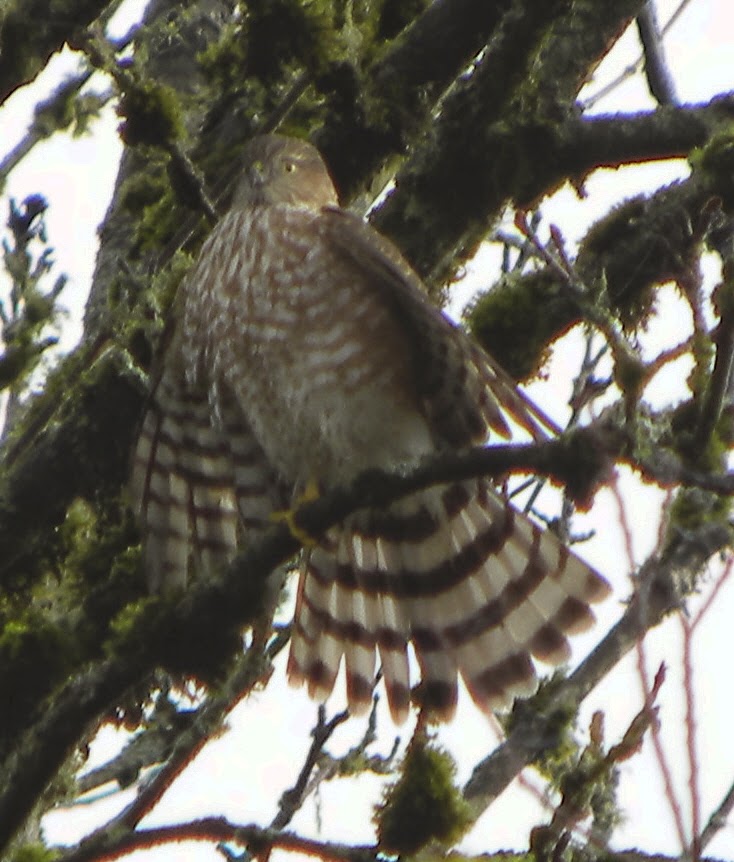
Sharp-shinned Hawk
 |
Sharp-shinned Hawk
|
Cooper's Hawk
 |
Cooper's Hawk
|
Red-tailed Hawk "often"
Red-shouldered Hawk 2011 first
 |
| adult 2017 |
 |
| sub-adult 2017 |
|
|
|
Golden Eagle 2002
Bald Eagle 1985 first
Northern Harrier
 |
| Photo by Dawn Villaescusa |
Osprey 2007 first
Peregrine Falcon 2008 first
Merlin 2004 first
American Kestrel "often"
Ruffed Grouse
California Quail "often"
Ring-necked Pheasant
Wild Turkey
 |
| These turkeys are apparently wild birds with some color abnormality or domestic ancestry, or, less likely, domestic birds gone wild. |
Killdeer "often"
Wilson's Snipe
Spotted Sandpiper
Solitary Sandpiper 2008
Greater Yellowlegs
Wilson's Phalarope 1989
Red-necked (Northern) Phalarope 1987
Glaucous-winged Gull 2008
Band-tailed Pigeon "often"
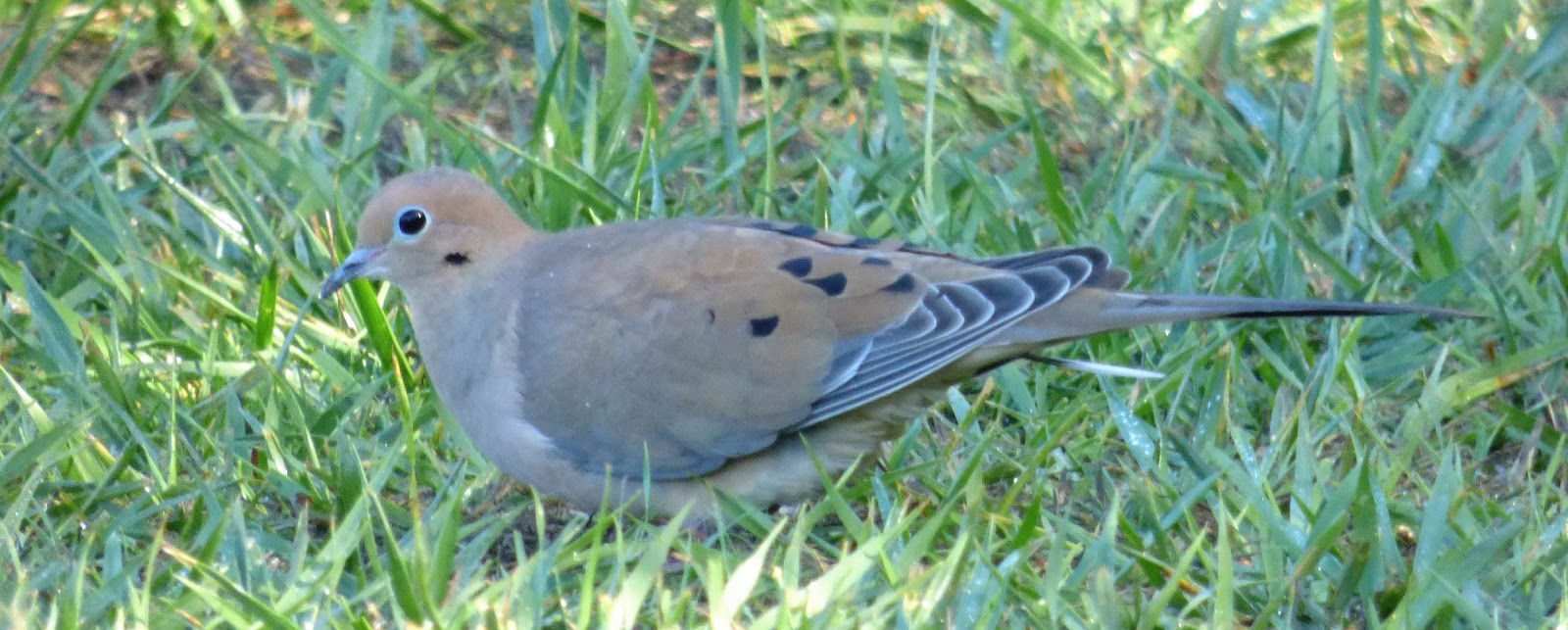
Mourning Dove "often"
Eurasian Collared-Dove
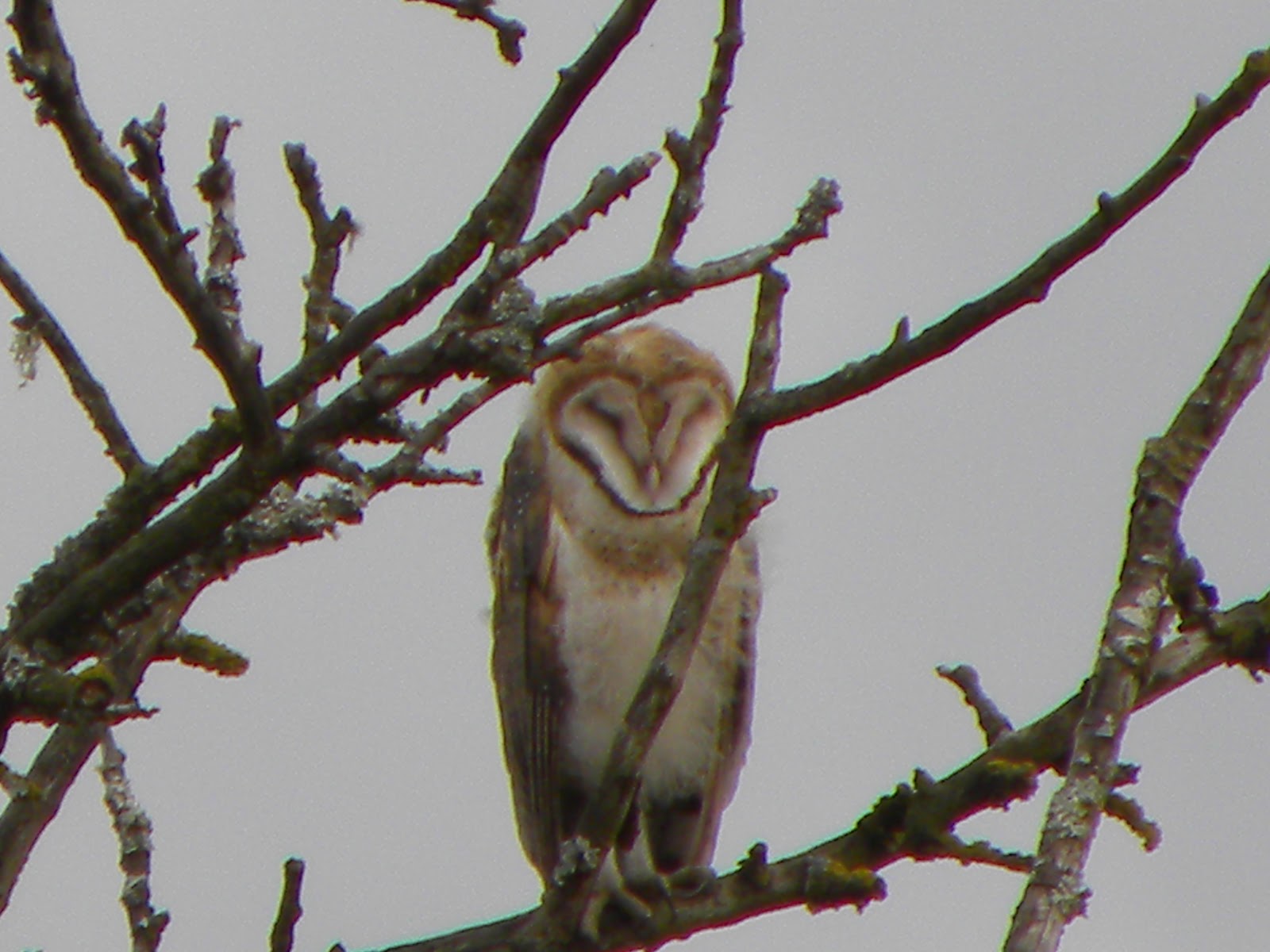
Barn Owl "often"

Screech Owl
Great Horned Owl
Pygmy Owl 2014
Barred Owl 2010
Saw-whet Owl
Common Nighthawk
Vaux's Swift 1999 first, now often
Anna's Hummingbird 2015 first, now often (winter)

Rufous Hummingbird "often" (summer)
 |
| female rufous |
 |
| id needed! |


Belted Kingfisher "often"
Northern Flicker "often"

Pileated Woodpecker
Acorn Woodpecker 2014
Red-breasted Sapsucker "often"
Red-naped Sapsucker 2002
Yellow-bellied Sapsucker 2019, farm bird #152
 |
| Immature, Feb. 2019 |
Came back in November 2019 as adult male... tough to get a diagnostic photo of him!
Hairy Woodpecker

Downy Woodpecker "often"
Western Kingbird 2004
Black Phoebe 2020
Say's Phoebe 2005
Willow Flycatcher first 1999
Hammond's Flycatcher 2012
Pacific Slope Flycatcher "often"
Western Wood Pewee "often"
Olive-sided Flycatcher
Horned Lark
Violet-green Swallow "often"
Tree Swallow "often"

Rough-winged Swallow
Barn Swallow "often"
Cliff Swallow
Purple Martin 2010
Gray Jay
Steller's jay "often"

Scrub Jay "often"
Common Raven "often"

Common Crow "often"
Black-capped Chickadee "often"
Chestnut-backed Chickadee "often"
Common Bushtit
Red-breasted Nuthatch "often"
Brown Creeper

Wrentit 1999 first
American Dipper

 |
juvenile Dipper
|
House Wren 2010

Pacific (formerly Winter) Wren "often"
Bewick's Wren "often"
Robin "often"
Varied Thrush "often"
Hermit Thrush
Swainson's Thrush "often"
Western Bluebird

Golden-crowned Kinglet
Ruby-crowned Kinglet
American Pipit 2004
Cedar Waxwing "often"


 |
| juvenile Cedar Waxwing |
Northern Shrike 1988
Starling "often"

Hutton's Vireo
Cassin's Vireo
Warbling Vireo "often"
 |
| photo above by Dawn Villaescusa |

Orange-crowned Warbler "often"

Yellow Warbler
Yellow-rumped Warbler
Black-throated Gray Warbler
Townsend's Warbler
Hermit Warbler
MacGillivray's Warbler
Common Yellowthroat
Yellow-breasted Chat 2004
Wilson's Warbler "often"
 |
| begging fledgling |
House Sparrow "often"
Western Meadowlark 2003 first
Red-winged Blackbird
Bullock's Oriole 2005
Brewer's Blackbird

Brown-headed Cowbird
 |
| female |
 |
| male |
 |
| pair |
 |
| juvenile |
We call them Horse Birds, instead of Cow Birds
Western Tanager
I

Black-headed Grosbeak
Lazuli Bunting 2009
Evening Grosbeak "often"
Purple Finch "often"
House Finch
Pine Siskin
American Goldfinch "often"
Lesser Goldfinch
 |
| photo by Dawn Villaescusa |
|
|
|
|

Red Crossbill 2003 first
Spotted Towhee "often"

Savannah Sparrow
Sage Sparrow 2004 (now called Sagebrush Sparrow)
 |
| video capture from Owen Schmidt... Many thanks, Owen!! |
 |
| another video capture from Owen Schmidt of the Sage Sparrow |
Dark-eyed Junco
Oregon Junco "often"
Slate-colored Junco 2000
Chipping Sparrow
White-crowned Sparrow "often"
Golden-crowned Sparrow "often"
White-throated Sparrow 2005 first
Fox Sparrow "often"
Lincoln's Sparrow
Song Sparrow "often"