Fink Family Farm Bird List

Fink Family Farm Bird List

News Flash!! October 2025: Just added Farm Bird # 154: a Mountain Quail, hanging out with about 60-70 California Quail. Woohoo!   The only ...

Thursday, October 30, 2014

Fink Family Farm Bird List

News Flash!! October 2025: Just added Farm Bird # 154: a Mountain Quail, hanging out with about 60-70 California Quail. Woohoo!


The only list I faithfully keep is a list of all the birds seen on our farm since we moved here in 1977. I thought it would be fun to add photos to the list, but of course I don't have photos of all the birds seen here since some were one time wonders and I have not always had a camera on hand when they came through. And even if I did get a picture, it is likely buried somewhere in my computer, or in an album.. or a drawer... if taken during pre-computer days.

But little by little I have gone through my photos and added them to the birds... if I can tell they were taken here. Fortunately, since I don't keep any photo records, I do write in my journal daily saying where we were that day. That has helped a great deal.

I have better photos taken elsewhere of some birds, like the Red-shouldered Hawk. And I have many photos elsewhere of White-tailed Kites, which have not visited our farm for many years now. But maybe they'll come back someday... Photos of some birds I'm sure I photographed I have not been able to locate. I have lots more pictures to take, but this is a start. I will be trying hard to get photos of warblers and flycatchers each spring.

I list the birds as they appear in my pocket check list from long ago (circa 1977). Many names have changed since then, species have split or been combined, but I try to use today's nomenclature. Wilson's Snipe, I have recently learned, is back to being Wilson's Snipe after a sojourn as Common Snipe (including on my 1977 checklist). House Sparrow is now at the end of checklists but I have left it where it was in 1977. I added Eurasian Collared-Dove, which was not even heard of in 1977, but is common now. My how times change.

As for format, I've added the years seen if I happened to write that down, unless I see them regularly in which case I write "often".  (Often as of  when I started this list. Some, like Barn Owls and Band-tailed Pigeons, are no longer seen often, for reasons not always known. And as of 2023 House Sparrows seem to have disappeared entirely.) If seen occasionally, I write the year that I first saw it. If anyone visited my farm and captured photos of birds here that I did not, I would be grateful if I could use those photos, with credit to the photographer, of course.

I hope and trust someone will let me know if I have misidentified any birds. My photos are not labeled on the computer, in albums, or in drawers. And birds in photos don't sing, which is how I identify many of them. But here they are, as of December, 2020, 153 species.

Many thanks to Dawn Villaescusa and Owen Schmidt for the photos taken here that they have shared with me.

THE BIRDS OF FINK FAMILY FARM


Common Loon 1983


Pied-billed Grebe 1991, 2001

Double-crested Cormorant 1997

Brandt's Cormorant 1990


Great Blue Heron "often"


Great Egret 2014


Green Heron adult


Green Heron juvenile


American Bittern 1991


Canada Goose


Cackling Goose (formerly a subspecies of Canada Goose)


Greater White-fronted Goose


Mallard


Northern Pintail 1990


Green-winged Teal


Blue-winged Teal  1988, 1990

Cinnamon Teal 2001

European Widgeon (now Eurasian Wigeon) 1990

Northern Shoveler 2003, 2008


Wood Duck


Wood Duck


Ring-necked Duck 1989, 1990

Lesser Scaup 2000

Bufflehead 1990 first

Ruddy Duck 1996

Hooded Merganser "often"

Hooded Merganser


juvenile Hooded Mergansers


Common Merganser 1988 first


Turkey Vultures


White-tailed Kite  1987 first, then "often from 1998 to about 2004"


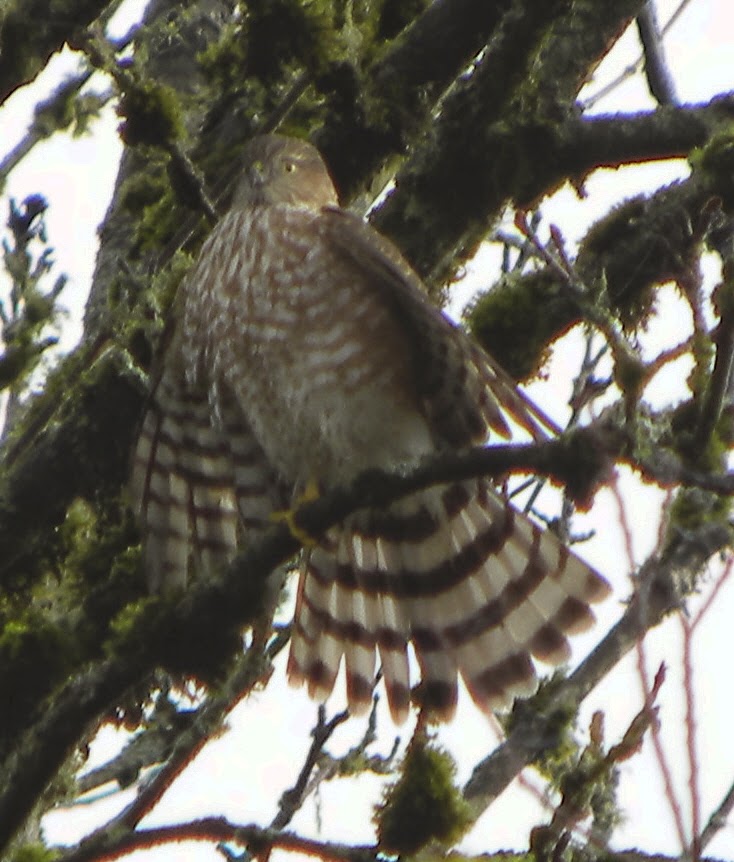
Sharp-shinned Hawk

Sharp-shinned Hawk


Cooper's Hawk

Cooper's Hawk


Red-tailed Hawk "often"


Red-shouldered Hawk 2011 first

adult 2017


sub-adult 2017


Golden Eagle 2002

Bald Eagle 1985 first


Northern Harrier

Photo by Dawn Villaescusa


Osprey 2007 first

Peregrine Falcon 2008 first

Merlin 2004 first


American Kestrel "often"


Ruffed Grouse


California Quail "often"


Ring-necked Pheasant

Wild Turkey


These turkeys are apparently  wild birds with some color abnormality or domestic ancestry, or, less likely, domestic birds gone wild.


Killdeer "often"


Wilson's Snipe


Spotted Sandpiper


Solitary Sandpiper 2008

Greater Yellowlegs


Wilson's Phalarope 1989

Red-necked (Northern) Phalarope 1987

Glaucous-winged Gull 2008

Band-tailed Pigeon "often"


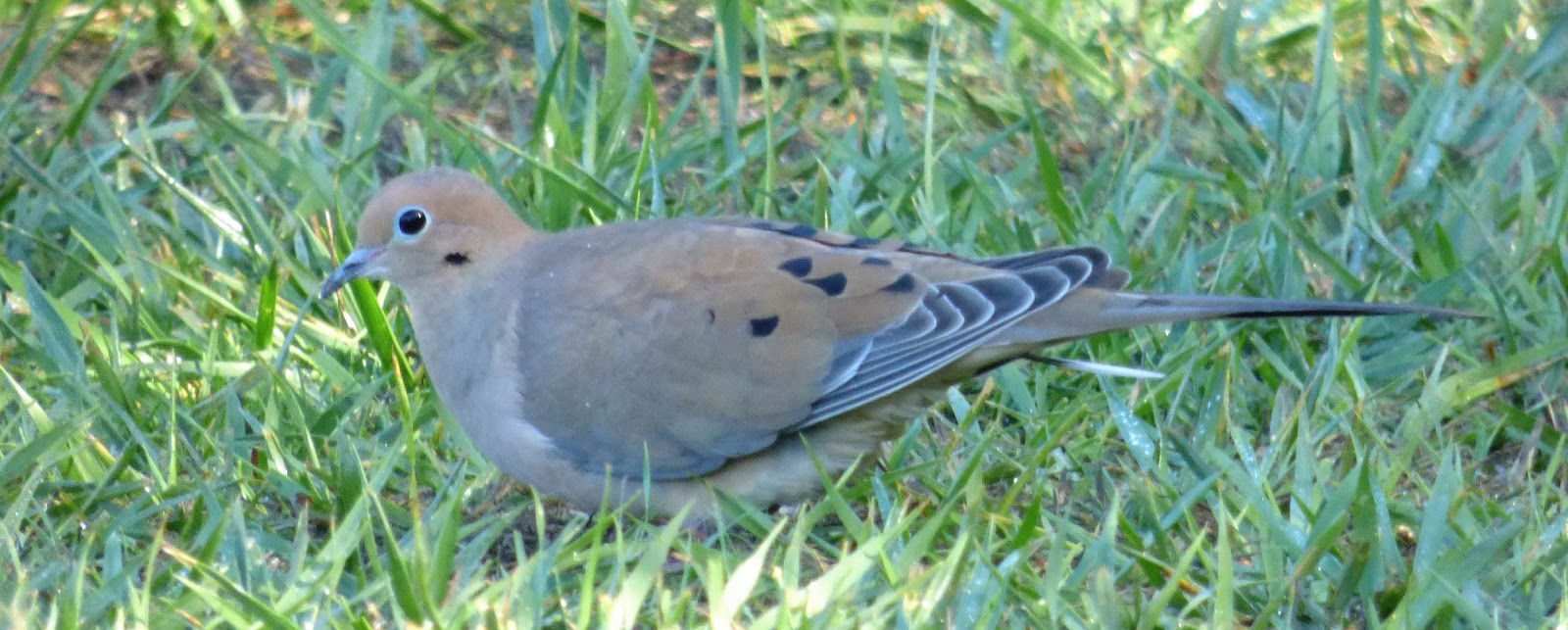
Mourning Dove "often"


Eurasian Collared-Dove


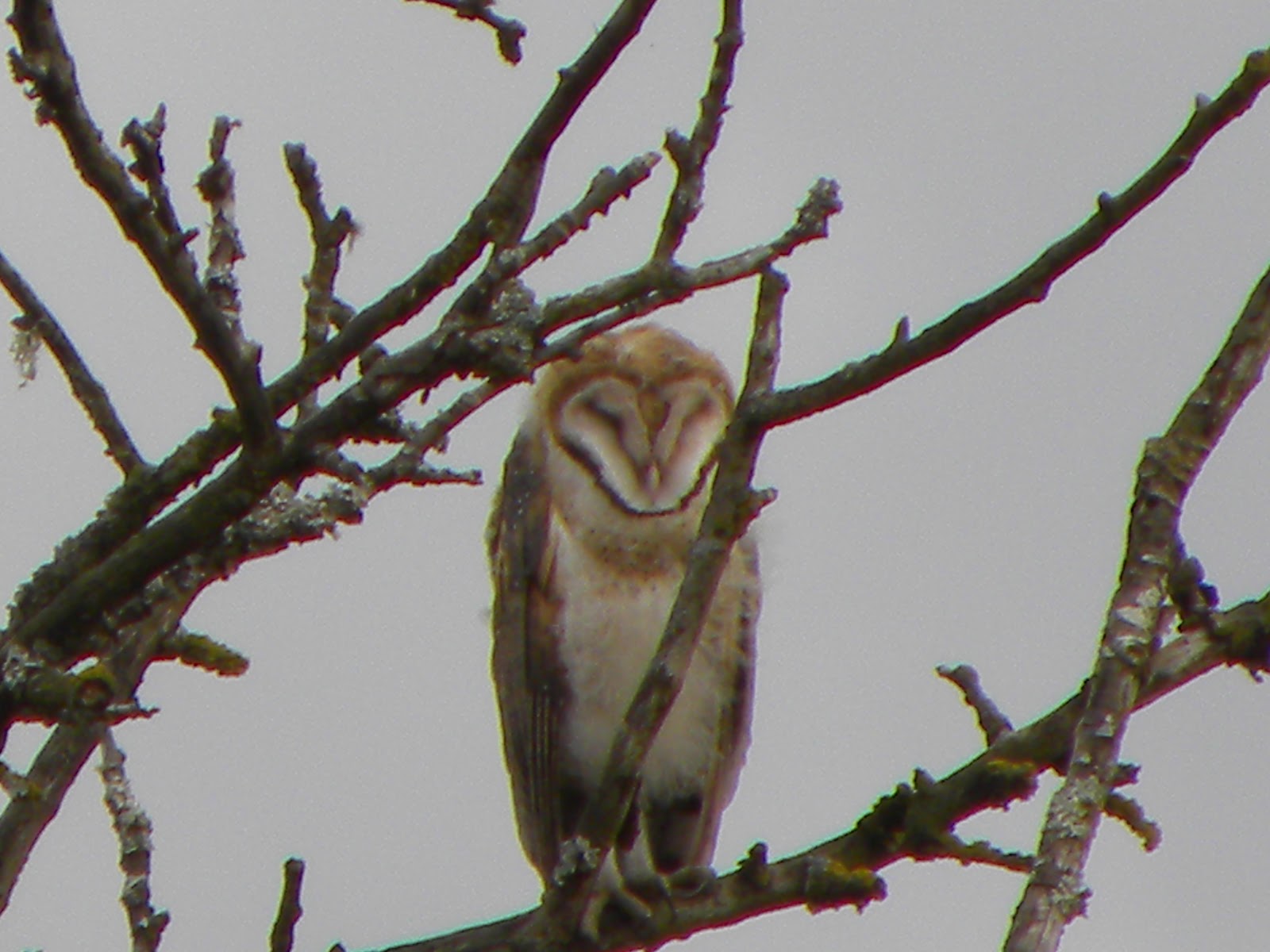
Barn Owl "often"


Screech Owl

Great Horned Owl

Pygmy Owl 2014


Barred Owl 2010

Saw-whet Owl


Common Nighthawk

Vaux's Swift 1999 first, now often

Anna's Hummingbird 2015 first, now often (winter)


 Rufous Hummingbird "often" (summer)


female rufous


id needed!


Belted Kingfisher "often"


Northern Flicker "often"


Pileated Woodpecker


Acorn Woodpecker 2014


Red-breasted Sapsucker "often"


Red-naped Sapsucker 2002

Yellow-bellied Sapsucker 2019, farm bird #152

Immature, Feb. 2019


Came back in November 2019 as adult male... tough to get a diagnostic photo of him!


Hairy Woodpecker


Downy Woodpecker "often"


Western Kingbird 2004

Black Phoebe 2020


Say's Phoebe 2005

Willow Flycatcher first 1999


Hammond's Flycatcher 2012


Pacific Slope Flycatcher "often"

Western Wood Pewee "often"


Olive-sided Flycatcher


Horned Lark

Violet-green Swallow "often"


Tree Swallow "often"


Rough-winged Swallow

Barn Swallow "often"


Cliff Swallow


Purple Martin 2010

Gray Jay


Steller's jay "often"


Scrub Jay "often"


Common Raven "often"


Common Crow "often"


Black-capped Chickadee "often"


Chestnut-backed Chickadee "often"


Common Bushtit


Red-breasted Nuthatch "often"


Brown Creeper


Wrentit 1999 first


American Dipper


juvenile Dipper


House Wren 2010


Pacific (formerly Winter) Wren "often"


Bewick's Wren "often"


Robin "often"


Varied Thrush "often"


Hermit Thrush


Swainson's Thrush "often"


Western Bluebird


Golden-crowned Kinglet


Ruby-crowned Kinglet


American Pipit 2004

Cedar Waxwing "often"


juvenile Cedar Waxwing


Northern Shrike 1988

Starling "often"


Hutton's Vireo

Cassin's Vireo

Warbling Vireo "often"

photo above by Dawn Villaescusa


Orange-crowned Warbler "often"


Yellow Warbler

Yellow-rumped Warbler


Black-throated Gray Warbler

Townsend's Warbler

Hermit Warbler

MacGillivray's Warbler

Common Yellowthroat


Yellow-breasted Chat 2004

Wilson's Warbler "often"


begging fledgling


House Sparrow "often"


Western Meadowlark 2003 first


Red-winged Blackbird


Bullock's Oriole 2005


Brewer's Blackbird


Brown-headed Cowbird

female


male


pair

juvenile


We call them Horse Birds, instead of Cow Birds


Western Tanager


I


Black-headed Grosbeak


Lazuli Bunting 2009

Evening Grosbeak "often"


Purple Finch "often"


House Finch


 Pine Siskin


American Goldfinch "often"


Lesser Goldfinch

photo by Dawn Villaescusa


Red Crossbill 2003 first


Spotted Towhee "often"


Savannah Sparrow


Sage Sparrow 2004 (now called Sagebrush Sparrow)

video capture from Owen Schmidt... Many thanks, Owen!!


another video capture from Owen Schmidt of the Sage Sparrow


Dark-eyed Junco


                      Oregon Junco "often"


                         Slate-colored Junco  2000


Chipping Sparrow


White-crowned Sparrow "often"


Golden-crowned Sparrow "often"


White-throated Sparrow 2005 first


Fox Sparrow "often"


Lincoln's Sparrow


Song Sparrow "often"


Monday, October 27, 2014

Western Wood Pewee?

Here I go again, photo taken 8/31/13 at 6:07 in the morning but with no certainty of what flycatcher. Probably, I heard it call and so knew at the time and never stopped to think that photos don't chirp. I'm guessing this is a Western Wood Pewee, by virtue of size of bill and sort of, possibly, buffy-grayish wing-bars. Or? I will be most grateful to anyone who can educate me.


The wonderful folks on OBOL have come through again with reasons for why I am, for once, correct in my i.d.

from Harry Fuller: yes, definitely Pewee, "dirty" chest (eliminating Willow), no eyering (eliminating other Empids), and no pale keel stripe to chin (eliminating Oliver-sided)

from Brandon Green: Looks like a pewee to me. Crested, long sharp bill with a mostly-tan lower mandible, and it has the "vested" plumage on the underparts (but not too dark and sharply-defined like an Olive-sided).

from Bob Archer: I agree, dark lores and vested look.

Wednesday, October 22, 2014

Yellow Warbler ? Orange-crowned Warbler? Wilson's?


I asked:

It seems too, well, yellow for an Orange-crowned Warbler. But why does it have a sort-of forked tail? And if it's a Yellow Warbler, why not any red streaks? And why isn't the tail yellow to the tip? Wilson's? What's with that forked tail? What am I missing? Help, please!


Many thanks to Dave Irons for the following excellent answer to my dilemma. The photos were taken April 23, 2012, but it should be noted that we are two weeks behind Salem in spring leaf-out.

Dave Irons answered:

There are several clues here that I think help answer your warbler ID question. Here's what I see.

1. Vegetation -- The deciduous tree in the photo is just starting to bud and leaf out. In the Willamette Valley that typically happens from late March to mid-April with bigger trees. You say this photo was taken in April, but don't give us the exact date. I think that if this image had been taken in the latter days of April the leaf out would be further along. This alone likely takes Yellow Warbler out of the equation. The first northbound Yellow Warblers normally arrive in the Willamette Valley about 25 April or later and they are generally scarce before the 1st of May.

2. Undertail coverts -- Another strike against Yellow Warbler is the length of the undertail coverts (along with the lack of yellow going out to the end of the tail, which you mention). Yellow Warblers have long undertail coverts, which tend to make the tail look short from below, which is clearly not the case with this bird.

3. Bill shape -- Looking at the bill of this bird, the tip seems somewhat blunt. Orange-crowned Warblers and other species in the genus Oreothlypis (formerlyVermivora) have thin bills that come to a very sharp point. On bill shape alone I think we can eliminate Orange-crowned Warbler, which leaves us with only Wilson's Warbler as a likely candidate (the only other all-yellow warbler that one would expect in Oregon during April).

4. Bill color -- This is the clincher. The underside of the bill is very pale and looks quite yellowish. After hatch-year Orange-crowned Warblers have all-dark bills with no yellow whatsoever. Conversely, Wilson's Warblers show yellow mandibles (the lower half of the bill). In spring, Yellow Warblers also have dark bills.

5. Tertial edges -- On the top photo I think that we can see enough of the upper wing to determine that edges of the tertials (the inner most folded feathers on the wings) do not contrast with the rest of those feathers. In all plumages, Yellow Warblers have darker duskier tertials with noticeably pale edges. This is a great field mark if you are ever struggling to sort out dull immature Yellows and Orange-crowneds.

Given the presumed date (based on condition of the vegetation), the mostly yellow coloration, the somewhat blunt-tipped bill that is pale below, and the lack of contrast in the tertials, I think it is pretty safe to conclude that this bird is a Wilson's Warbler. Wilson's typically return to Oregon by the second week of April, not long after the arrival of the first Orange-crowneds. When I first started paying attention to such things (late 1970's), the average arrival dates for Wilson's fell around the 17th of April and Wilson's were exceptionally rare in Oregon during winter. Over recent decades the mean arrival date for Wilson's seems to have moved forward by about a week and this species is now found in Oregon in most winters.

Dave Irons
Portland, OR 


Wednesday, October 15, 2014

Pygmy Owl Prisoner

Johnny called today from a neighbor's saying that a Pygmy Owl had managed to get itself trapped in a chicken-wire enclosure and was clinging to the wire. The neighbor thought it was a baby owl of some kind and could not fly so caught it as it clung to the wire and put it into a cage. But not before it sank its talons into his ungloved hand. Johnny had to pry the bird off.

The neighbor's son and daughter-in-law were there and also proclaiming it to be a baby owl so Johnny told them he would ask me to come up and I would know. I have a reputation in the neighborhood for being a bird nerd. I went. And it was, indeed, a very disgruntled Pygmy Owl.


 After everyone took a few photos, I convinced the neighbor to open the cage door. He was still disbelieving that it could fly. Of course, as soon as the door was open, the owl flew out and lit in a nearby tree, allowing more photos. It sat and glared at us for several minutes, then flew off.


The owl was none the worse for its harrowing adventure. And it gave me an opportunity to teach three people a little bit about day flying tiny owls.

Tuesday, September 30, 2014

Oregon Birding Association Annual Meeting

Bandon, Oregon, was the site of this year's OBA meeting. I had never gone before but it has always been in June, when I'm heavily involved in the farm and Black Oystercatcher monitoring. This year's September agenda looked tantalizing... and turned out to be as good as it sounded.

I opted to not go on Friday's pelagic trip as I get seasick easily and there were small craft advisories. Reportedly, that was the best pelagic trip ever for number and variety of birds. But I probably would have seen few of them.

Friend Dawn and I drove down on Friday afternoon to arrive in time for registration, get-acquainted happy hour, and an absolutely delicious supper. Of course, we stopped here and there on our way to admire the view and birds.

Black Turnstones at Yachats Ocean Rd.


Seal Rock area Pelicans and Cormorants

Brown Pelicans, Western Gulls, and Cormorants atop the rock pictured above


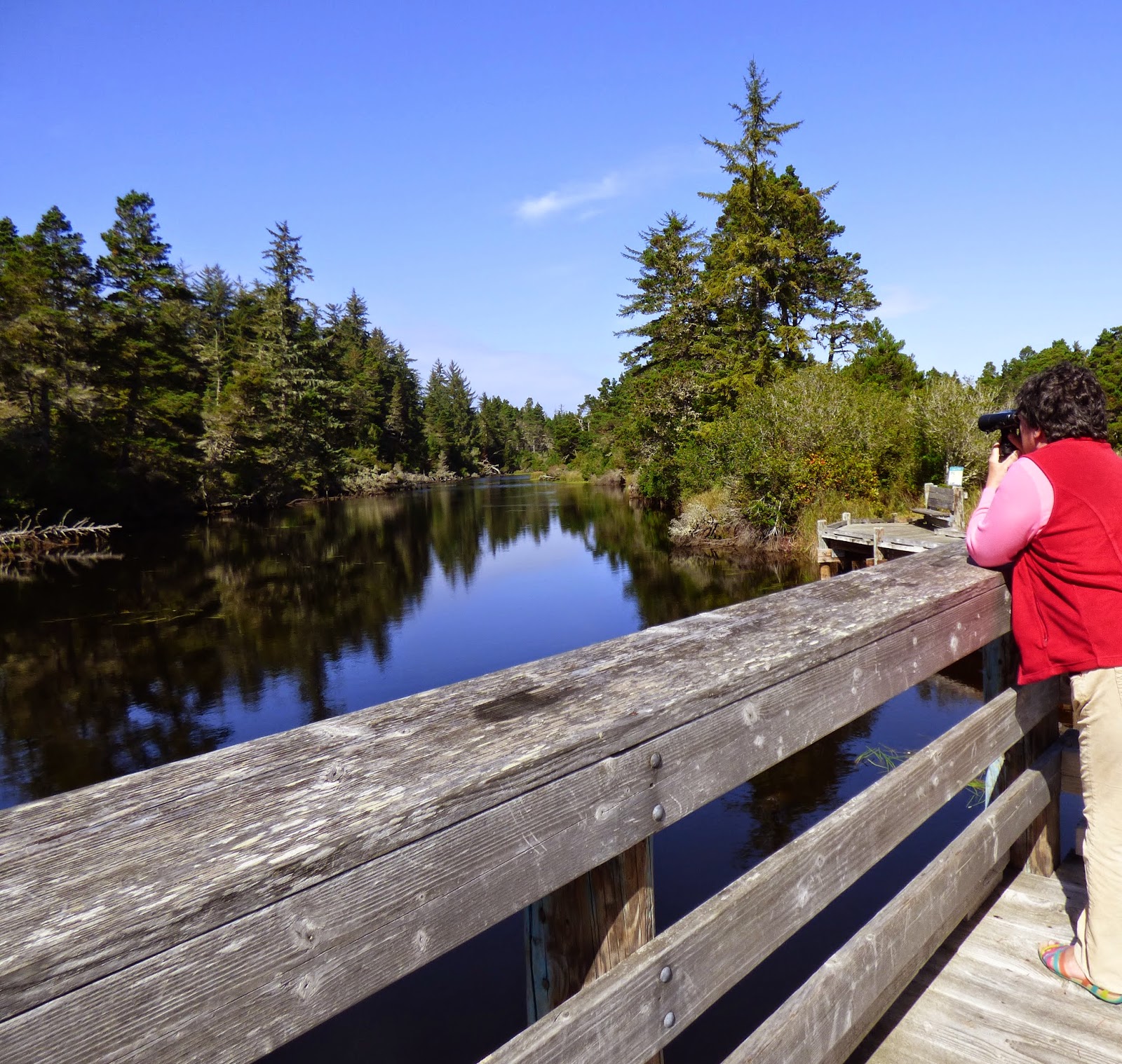
Dawn surveying the Siltcoos Lagoon (oxbow lake)


What a quiet, beautiful and birdy spot


Siltcoos River Lagoon Trail


Hoodless Hooded Mergansers on the lagoon

We arrived in Bandon in time to check into the hotel and head to the Community Center for registration, a wonderful supper courtesy of the OBA folks, and a fascinating talk/slideshow by Roy Lowe about the history of the coastal national wildlife refuges. Dawn and I plus friend Eugenia from Salem were staying at the Sunset Oceanfront Lodge. Even my economy room (or at least the deck a few steps from my door) had a spectacular view of the ocean and sea stacks. But we had little time to sit and admire the view either day.

The view from "my" deck


The next morning, Dawn, Eugenia and I met the rest of our field trip crew and drove a very long way to Pistol River where we saw lots of birds that I did not get photos of, including Black Phoebe, Red-shouldered Hawk, Peregrine Falcon, one lone Dowitcher, plus lots of treetop birds like American Goldfinches, Pine Siskins, Bushtits, Yellow-rumped Warblers, Chickadees, etc. I only saw a fraction of the total birds seen. That held true for the next day's field trip as well. However, I missed none of the spectacular scenery.


I did a little better as we worked our way back north. Elegant Terns were flying and calling at the mouth of the river at Gold Beach. I managed to photograph them resting on buoys.

Elegant Terns at Gold Beach

At the Arizona State Recreation Area my sciatica gave me an excuse to sit on a picnic table and just look and listen for birds... plus catch up with an old friend, Tom Shreve. Part of the fun of this weekend was seeing old friends and meeting new ones.

Arizona State Recreation Area
 This Great Blue Heron was standing very still at the side of the pond, only visible from the trail by the sluice gate seen above... where only a few of us went.


When the main group returned from their hike, Eugenia (my canoe companion at the Shorebird Festival of a few years ago) asked what we had seen, sitting on our picnic table overlooking the marshy pond. I told her we saw two Northern Waterthrushes, a juvenile Black-crowned Night Heron that we originally thought was a Bittern but then noticed two nearby Bitterns and realized our mistake... At that point Dawn, who had walked up with Eugenia, said, "You did not!" If Dawn had not called my bluff, I might have been able to add another twenty bogus birds. Eugenia trusts me not to lie. Or did.

Onward we went to Port Orford, where this curious Harbor Seal proved the easiest to photograph.


A couple of winter plumaged Pigeon Guillemots, looking nothing like breeding plumaged Guillemots, except for their red feet, were swimming and diving near the pier.


This Western Grebe was photographed somewhere, either at Port Orford or at a stop between there and our return to Bandon. Someday I'll remember to write down where I take photos. (Dawn says Port Orford dock. She types into her magic phone and pulls up this stuff.)


After another delicious meal and fabulous talk/slideshow by Dan Gleason, we collapsed into our beds.

Early the next morning, we met for a half day field trip to Bandon Marsh and other Bandon area locations. But the marsh was so productive, we spent most of our time there, much to my and my aching leg's relief. Tim Rodenkirk was again our enthusiastic and energetic trip leader, determined to mine every "good bird" in that marsh for everyone to see.

Wayne Weber from Canada came up with the first "good bird", a Red Knot. I never saw it and it soon left. Then Tim found a Pacific Golden Plover. I did see that one and tried to get photos but it was a long way off and hanging out with a flock of Black-bellied Plovers. The bird below may or may not be the "right" bird. Without seeing it next to the Black-bellies, it was impossible to see any difference. It was noticeably smaller when they were side by side.


Here is the crew looking out over the marsh. I mostly stayed up on the viewing platform, where I could lean on the railing to rest my leg... and see thousands of peeps a few miles away that the others could not see. Of course, I could not identify any at that distance.


I loved the colorful Marbled Godwits that worked their way close to us eventually.


My one claim to fame was alerting Tim to a flock of warblers (I had seen a Townsend's) and chickadees up by my viewing platform. Dawn scanned the flitting birds and saw what she thought was an Orange-crowned Warbler, except it had wing bars. Tim became very excited and said, "It has to be a Blackpoll Warbler! That's the only yellow warbler with wingbars that could be here now! There have only been two sightings in this county and neither were accepted!" (Yes, he really does talk with exclamation marks.) And so the search was on and Tim did, eventually, find it again, along with Ruby and Golden-crowned Kinglets, a Red-breasted Nuthatch, and more. I, of course, got photos of none of them. Co-leader Harv went back later that day and refound the warbler. He was going to go again with a camera to document their find. I wish him luck.

Between our morning and afternoon visits to the marsh, we went to the jetty and looked for turnstones, which we found but were very hard to see against the pilings.


We did see a Red-breasted Merganser there but my photos are even more pitiful than the rest of these photos. A Double-crested Cormorant cooperated, however.


We peeled off from the group after lunch and headed home. Naturally, we stopped at a few places, including the Umpqua River Lighthouse and the jetty below.


We had been told that Winchester Bay was a good place for terns and possibly jaegers, which were Dawn's quest, so we went there. Dawn spotted a BJ's Ice Cream sign from the highway so we wheeled in. The ice cream was wonderful. And the birding, too. We found our only Spotted Sandpiper of the trip and more terns and grebes that I did not get photos of. No jaegers, though.

Our next stop was an exploratory one at what was billed as a boardwalk and interpretive center on the Umpqua River at Reedsport. We thought the boardwalk went over a marsh but it did not. It bordered the river. (I guess that makes sense since it was called the Umpqua Riverfront Boardwalk.) An adjoining dock was occupied by a hunting Great Egret and a preening gull. Who would have thought?


It was time to keep moving so we made only one more stop, on our way home, at a lovely overlook, donated to the public by a generous man.


A bit after 5:30 p.m., I dropped Dawn off in Lincoln City and drove home, full of good memories of an amazing weekend. Next year's meeting will be in the Roseburg area, which doesn't hold as much thrill as the Oregon coast. But, if it's in September again, we'll see what speakers and field trips they come up with...